Short Answer
Getting There
Tuscany is well-connected to major European hubs, making it accessible for international and domestic travelers. The primary gateways are Florence Airport (FLR), also known as Amerigo Vespucci, and Pisa International Airport (PSA), Galileo Galilei. Florence Airport is closer to the city center but handles fewer intercontinental flights, while Pisa often offers more budget airline options and broader connectivity. For travelers arriving from outside Europe, flying into Rome Fiumicino (FCO) or Milan Malpensa (MXP) and taking a high-speed train is a common and scenic alternative.
High-speed rail services operated by Trenitalia and Italo connect Florence Santa Maria Novella station directly to Rome, Milan, Bologna, and Venice. Journey times from Rome to Florence are approximately 1 hour and 30 minutes. Regional trains connect smaller towns like Siena, Lucca, and Arezzo, though schedules may be less frequent than mainline services. Bus services, such as FlixBus or regional carriers like Autolinee Toscane, provide economical options to areas not served by rail. Always verify current schedules and transfer requirements on official operator websites before booking, as routes and frequencies can change seasonally.
Getting Around
Transportation within Tuscany depends heavily on your itinerary. Florence and Siena are highly walkable cities with compact historic centers where most attractions are within walking distance. Public buses operate within these cities, but visitors often find walking more efficient. For exploring the countryside, including the Chianti region and Val d’Orcia, a rental car offers the most flexibility. However, driving in historic city centers requires caution due to Limited Traffic Zones (ZTL). These restricted areas enforce heavy fines for unauthorized entry, so always park in designated lots outside the centers.
Regional trains are reliable for connecting major towns like Florence, Pisa, Lucca, and Siena without the stress of parking. Bus networks fill the gaps where trains do not reach, particularly in rural hill towns. Taxis and ride-sharing services are available in urban areas but can be expensive for long distances. Cycling is popular in flat areas like Lucca’s city walls or specific wine routes, though the hilly terrain elsewhere requires fitness and planning. Visitors relying solely on public transport should plan days around timetables, as evening services in rural areas may be limited.
Best Time to Visit
The ideal time to visit Tuscany depends on your tolerance for crowds and heat. Spring (April to June) and early autumn (September to October) offer pleasant temperatures, blooming landscapes, and harvest activities. These are peak seasons, so expect higher accommodation prices and crowded major sights. Summer (July and August) brings intense heat and significant tourist congestion, particularly in Florence and Siena. Many local shops close for Ferragosto in mid-August, though coastal areas remain lively.
Winter (November to March) is quieter and more budget-friendly, with fewer crowds at museums and galleries. However, some rural agriturismos may close, and daylight hours are shorter. Rain is more common in late autumn and winter. Travelers interested in wine harvests should target September, while art lovers might prefer the cooler, quieter winter months for museum visits. Always check specific event dates for local festivals, as these can affect availability and pricing.
Top Things to Do
Explore Florence’s Historic Center
Florence is the cradle of the Renaissance, featuring iconic landmarks like the Cathedral of Santa Maria del Fiore (Duomo) and the Uffizi Gallery. Walking across the Ponte Vecchio and visiting the Accademia to see Michelangelo’s David are essential experiences. The city suits art lovers and history enthusiasts, but booking skip-the-line tickets in advance is crucial during peak seasons to avoid long queues.
Wander the Streets of Siena
Siena offers a medieval atmosphere distinct from Florence, centered around the shell-shaped Piazza del Campo. The Siena Cathedral is a masterpiece of Italian Romanesque-Gothic architecture. This city is ideal for travelers seeking historical depth and a slower pace. Visit during the Palio horse race in July or August for a unique cultural experience, though accommodations book up far in advance.
Drive the Chianti Wine Route
The Chianti Classico region between Florence and Siena is renowned for its vineyards and rolling hills. Driving the SR222 road allows stops at wineries for tastings and tours. This experience suits wine enthusiasts and photographers. Designated drivers are necessary, or consider guided tours to enjoy tastings responsibly. Verify opening hours of wineries, as many require appointments.
Walk the Walls of Lucca
Lucca is enclosed by intact Renaissance walls that form a pedestrian park atop the ramparts. Cycling or walking the perimeter offers views over terracotta rooftops and historic churches like San Michele in Foro. It is a family-friendly destination with a relaxed vibe. The compact center is easily navigated on foot, making it a perfect day trip or overnight stop.
Visit the Towers of San Gimignano
Known as the Medieval Manhattan, San Gimignano features distinctive stone towers rising from the hilltop. The town offers panoramic views of the surrounding countryside and excellent saffron-based cuisine. It suits photographers and history buffs. Arrive early in the morning or late afternoon to avoid peak day-trip crowds that converge midday.
Relax in Val d’Orcia
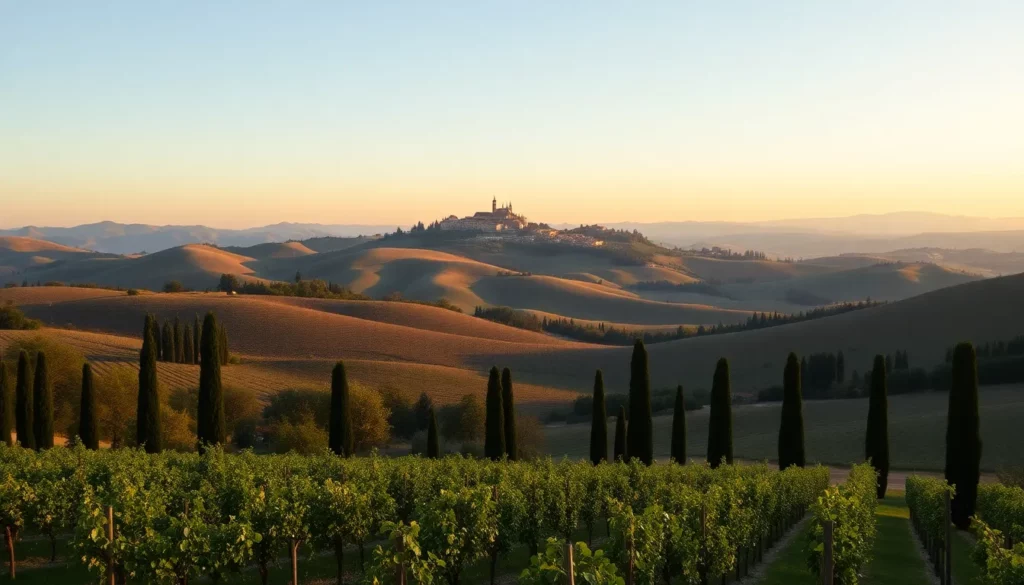
This UNESCO World Heritage landscape epitomizes the Tuscan ideal with cypress-lined roads and golden hills. Towns like Pienza and Montalcino offer cheese and wine tasting opportunities. It is best for travelers seeking scenic drives and rural tranquility. A car is essential to explore this area thoroughly, as public transport is sparse.
Where to Eat
Tuscan cuisine is rooted in simplicity and high-quality local ingredients. Staple dishes include ribollita (a hearty vegetable and bread soup), pappardelle al cinghiale (pasta with wild boar ragù), and bistecca alla fiorentina (grilled T-bone steak). Meals often begin with antipasti like cured meats and bruschetta. Wine is integral, with Chianti Classico, Brunello di Montalcino, and Vino Nobile di Montepulciano being regional highlights.
Dining customs include a coperto (cover charge) added to bills in sit-down restaurants. Lunch is typically served from 12:30 PM to 2:30 PM, and dinner from 7:30 PM onwards. Kitchens may close between meals, so timing is important. Agriturismos (farm stays) often serve home-cooked meals using produce from the property, offering an authentic rural dining experience. Markets in cities like Florence and Lucca provide opportunities to sample local cheeses, oils, and cured meats.
Where to Stay
Accommodation choices vary by traveler needs. First-time visitors often prefer Florence for its central location and transport links, though it can be noisy and expensive. Siena offers a historic atmosphere suitable for couples and culture seekers. For families or those with a car, agriturismos in the Chianti or Val d’Orcia regions provide space, pools, and tranquility, though they require driving for meals and sights.
Budget travelers might find better value in smaller towns like Lucca or Arezzo, with easy train access to Florence. Couples seeking romance may prefer boutique hotels in hill towns like Montepulciano. Visitors focusing on wine should consider staying near Montalcino or Greve in Chianti. Always check parking availability if staying in historic centers, as spaces are limited and often paid.
Suggested Itinerary
2-Day Highlights
Day 1: Arrive in Florence. Visit the Duomo complex and walk across the Ponte Vecchio. Afternoon at the Uffizi Gallery. Dinner in the Oltrarno district.
Day 2: Morning trip to Siena by bus or train. Explore Piazza del Campo and the Cathedral. Return to Florence for departure or evening relaxation.
4-Day Deep Dive
Day 1: Florence arrival and historic center walk. Visit the Accademia Gallery.
Day 2: Day trip to Lucca. Walk the walls and explore churches. Return to Florence.
Day 3: Pick up rental car. Drive to San Gimignano. Continue to Val d’Orcia for sunset. Overnight in an agriturismo.
Day 4: Visit Montepulciano for wine tasting. Drive to Siena for afternoon exploration. Return car and depart from Florence or Rome.
Local Etiquette & Practical Tips
Dress codes are enforced at religious sites; shoulders and knees must be covered when entering churches. Tipping is not mandatory but leaving small change or rounding up the bill is appreciated for good service. Greetings usually involve a handshake or cheek kisses among acquaintances; a polite “Buongiorno” (Good day) is expected when entering shops.
Payment habits vary; while cards are widely accepted, small cafes or markets may prefer cash. Carry some euros for minor purchases. Be vigilant against pickpockets in crowded tourist areas like Florence’s Santa Maria Novella station. Accessibility can be challenging in historic centers due to cobblestones and lack of elevators in old buildings. Verify ZTL restrictions strictly to avoid fines, and ensure your rental car agreement covers cross-border travel if planning to leave Italy.
Day Trips from Tuscany
Pisa
Famous for its Leaning Tower, Pisa is easily reachable by train from Florence in about an hour. It is worthwhile for a half-day visit to see the Piazza dei Miracoli. Combine this with a walk along the Arno River. Verify tower climb tickets in advance as slots fill quickly.
Arezzo
Known for its antique markets and Piero della Francesca frescoes, Arezzo offers a less crowded alternative to Florence. Train connections are frequent. It suits art lovers and shoppers. A full day allows time to explore the main square and surrounding hills.
Montepulciano
This hill town is renowned for Vino Nobile wine and Renaissance architecture. It requires a car or specific bus connections. Ideal for wine tasting and scenic views. Plan for a full day to include cellar tours and lunch.
Volterra
Perched on a high ridge, Volterra features Etruscan history and alabaster workshops. It is further from Florence, making it better for a full-day trip or overnight stay. The drive offers stunning countryside views. Check bus schedules if not driving.
FAQ
Is Tuscany worth visiting?
Yes, Tuscany is ideal for travelers interested in art, history, wine, and scenic landscapes, offering a mix of city culture and rural relaxation.
How many days do you need in Tuscany?
A minimum of 3 days covers Florence and Siena, but 5 to 7 days allows for a relaxed exploration of the countryside and smaller towns.
Is Tuscany safe for tourists?
Tuscany is generally safe, but visitors should remain vigilant against pickpocketing in crowded tourist areas and follow traffic rules when driving.
Leave a Reply