
Short Answer
What It Is
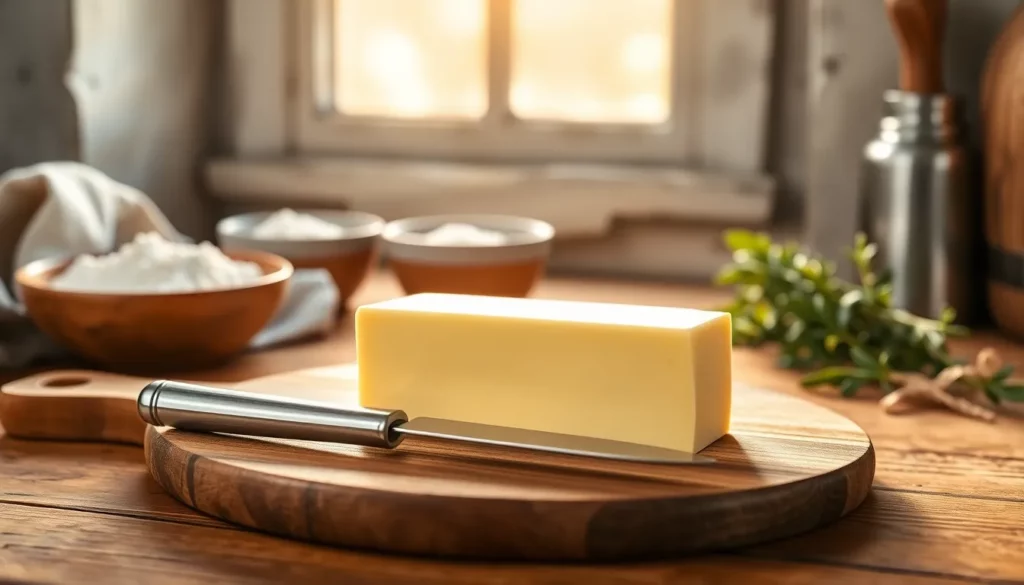
Unsalted butter, known in Italian as burro non salato or simply burro dolce (sweet butter), is a dairy product made exclusively from the cream of cow’s milk, churned until it reaches a fat content of at least 80% (by law in the European Union). Unlike salted butter, no salt is added during processing, allowing the pure, delicate flavor of the cream to shine. In Italy, unsalted butter is the standard for both home and professional kitchens, particularly in regions where butter-based cooking is prevalent, such as Lombardy, Veneto, and Emilia-Romagna.
The production of Italian unsalted butter is governed by strict regulations. The most prestigious examples carry Denominazione di Origine Protetta (DOP) or Indicazione Geografica Protetta (IGP) status. Notable among them is Burro di Silter DOP, produced in the province of Brescia (Lombardy) from the milk of Brown Swiss cows. Another is Burro di Montagna IGP, a mountain butter made from the milk of cows grazing on alpine pastures. These certifications guarantee that the butter is produced according to traditional methods within a defined geographical area, ensuring superior quality and traceability.
Historically, unsalted butter has been a cornerstone of Italian pastry-making and fine dining. Its neutral, creamy profile allows it to blend seamlessly into doughs, sauces, and emulsions without the interference of salt. The absence of salt also means the butter’s freshness is paramount; unsalted butter has a shorter shelf life than salted, as salt acts as a preservative. Italian producers often churn butter in small batches, using cream that has been naturally soured (cultured) to develop complex, nutty notes.
Types & Grades
Italian unsalted butter is categorized by fat content, production method, and origin. The following table outlines the primary types and their characteristics:
| Type | Fat Content | Production Method | Typical Use | Certification |
|---|---|---|---|---|
| Standard Unsalted Butter | 80–82% | Sweet cream, pasteurized | Everyday cooking, baking | None |
| Premium Unsalted Butter | 84%+ | Sweet or cultured cream, low-temperature churning | Pastry, fine sauces | None |
| Cultured Unsalted Butter | 82–84% | Cream fermented with lactic acid bacteria | Artisan baking, finishing | None |
| Burro di Silter DOP | 82% min | Traditional churning, from Brown Swiss cow milk | Pastry, risotto, table butter | DOP |
| Burro di Montagna IGP | 82% min | Mountain pasture milk, small-scale churning | Traditional recipes, spreading | IGP |
Grades are also determined by the milk source: cow’s milk is the most common, but buffalo milk butter (rare) exists in some regions. The aging of butter is not typical; instead, freshness is key. However, some artisan producers offer “aged” butter that has been stored at low temperatures for weeks to develop flavor, though this is uncommon in Italy.
How It’s Used in Cooking
Unsalted butter is indispensable in Italian cuisine, particularly in the northern regions where butter replaces olive oil as the primary cooking fat. Its applications range from delicate pastry doughs to rich, emulsified sauces.
Pastry and Baking
Italian pastry relies heavily on unsalted butter. The classic pasta frolla (shortcrust pastry) for crostata and biscotti requires cold, unsalted butter to create a tender, flaky texture. In pasta sfoglia (puff pastry) and cornetti (Italian croissants), the butter’s plasticity and high melting point are crucial for lamination. The absence of salt allows the baker to control the final salt level precisely.
Risotto and Pasta
In risotto, unsalted butter is used for mantecatura—the final stirring that emulsifies the broth and cheese into a creamy, velvety texture. A classic risotto alla milanese is finished with a generous knob of unsalted butter. For pasta, butter is the base of pasta in bianco (butter and cheese) and the famous burro e salvia (butter and sage) sauce, where the butter is gently browned to release nutty aromas.
Sauces and Emulsions
Italian sauces such as salsa burro e limone (lemon butter sauce) for fish, and burro fuso (melted butter) for vegetables, rely on unsalted butter for purity. In beurre blanc (though French in origin, adopted in Italian fine dining), unsalted butter is essential to avoid over-salting the reduction.
Finishing and Spreading
High-quality unsalted butter is often served as a table butter, spread on crusty bread or used to finish grilled meats and vegetables. Its clean flavor enhances, rather than masks, the ingredients.
“Il burro non salato è l’anima della pasticceria italiana: senza di esso, non esisterebbero la crostata, il pan di Spagna, o il cornetto.” — Anonimo pasticcere lombardo
How to Choose/Identify Authentic Unsalted Butter
For chefs and home cooks seeking the best unsalted butter for Italian recipes, authenticity and quality are paramount. Here is a practical buying guide:
- Check the label for DOP/IGP: Look for Burro di Silter DOP or Burro di Montagna IGP. These certifications ensure the butter is produced in a specific region using traditional methods.
- Fat content: Authentic Italian unsalted butter typically contains at least 82% milk fat. Higher fat content (84%+) indicates a richer, more flavorful butter, ideal for pastry.
- Color and texture: Good unsalted butter is a pale, natural yellow (not bright orange). It should be firm but spreadable at room temperature, with a smooth, uniform texture. Avoid butter that appears greasy or has water droplets.
- Aroma: Fresh unsalted butter smells clean, milky, and slightly sweet. Cultured varieties may have a faint tang. Any off-odors (rancid, sour) indicate poor quality or age.
- Packaging: Authentic butter is often wrapped in foil or parchment to protect from light and air. Vacuum-sealed blocks are common for longer shelf life. Avoid butter sold in transparent plastic that may have been exposed to light.
- Origin: For Italian recipes, choose butter made in Italy, preferably from the region of the dish. Northern Italian butters (Lombardy, Veneto, Piedmont) are renowned for their quality.
- Producer reputation: Look for well-known Italian dairies such as Latteria Sociale di Silter, Caseificio dell’Alta Langa, or Granarolo (for standard butter). Artisan producers often have shorter ingredient lists—just cream and possibly lactic cultures.
When purchasing online or in specialty stores, verify that the butter has been stored at a consistent temperature (below 4°C) and has a reasonable expiration date. Unsalted butter freezes well for up to six months.
Substitutes
While unsalted butter is irreplaceable in many Italian recipes, certain substitutes can be used in a pinch, though they will alter the flavor and texture. Here are genuine Italian alternatives:
- Salted butter: If only salted butter is available, reduce the added salt in the recipe. However, salted butter often contains less fat (around 80%) and more water, which can affect pastry doughs. Use only if unsalted is unavailable.
- Ghee (burro chiarificato): Clarified butter has a higher smoke point and a nuttier flavor. It works well for sautéing and frying, but not for emulsions or pastry where water content is needed. Ghee is common in Italian cuisine for long-cooked dishes.
- Extra virgin olive oil: In savory dishes, especially from central and southern Italy, olive oil can replace butter. For example, in pasta aglio e olio or for roasting vegetables. It will not provide the same richness or structure in baking.
- Lard (strutto): Rendered pork fat is a traditional substitute in some Italian pastries, like pasta frolla for crostata. It yields a very tender, crumbly texture but has a distinct savory flavor. Not suitable for sweet pastries unless specified.
- Margarine: Not recommended for authentic Italian cooking. Margarine is a processed product with different melting properties and often contains trans fats. It will compromise both flavor and texture.
For the best results, always use unsalted butter when a recipe calls for it, especially in pastry and delicate sauces. Substitutes should be considered only in emergencies.
In conclusion, unsalted butter is a fundamental ingredient in Italian cuisine, prized for its pure flavor and versatility. From the DOP-certified Burro di Silter to everyday sweet cream butter, understanding its types, uses, and selection criteria empowers cooks to achieve authentic results. Whether finishing a risotto or laminating a cornetto, the quality of unsalted butter directly impacts the dish. Choose wisely, store properly, and let the butter speak for itself.
FAQ
What is the difference between salted and unsalted butter in Italian cooking?
Salted butter contains added salt (typically 1–2%), which acts as a preservative and enhances flavor. Unsalted butter has no salt, allowing the pure cream flavor to shine. In Italian cuisine, unsalted butter is preferred for pastry and delicate sauces because it gives the cook complete control over salt levels. Salted butter can be used in savory dishes but may alter the intended balance.
Can I use salted butter instead of unsalted in Italian pastry?
It is not recommended. Salted butter often has a lower fat content (around 80%) and higher water content, which can affect the texture of pastry doughs. The added salt also interferes with the sweetness and flavor balance. If you must substitute, reduce the added salt in the recipe and expect a slightly different result.
What is Burro di Silter DOP and why is it special?
Burro di Silter DOP is a protected designation of origin butter from the Silter area in Lombardy, Italy. It is made exclusively from the milk of Brown Swiss cows, which graze on local pastures. The butter is churned using traditional methods, resulting in a high fat content (minimum 82%) and a distinctive, rich flavor. It is considered one of the finest butters for pastry and table use.
How should I store unsalted butter to maintain freshness?
Unsalted butter should be stored in its original wrapper or an airtight container in the refrigerator at 4°C or below. It can be frozen for up to six months. Because unsalted butter lacks salt's preservative effect, it is more prone to rancidity; use it within a few weeks of opening. For spreading, take out only the amount needed and let it soften at room temperature.

Leave a Reply