Short Answer
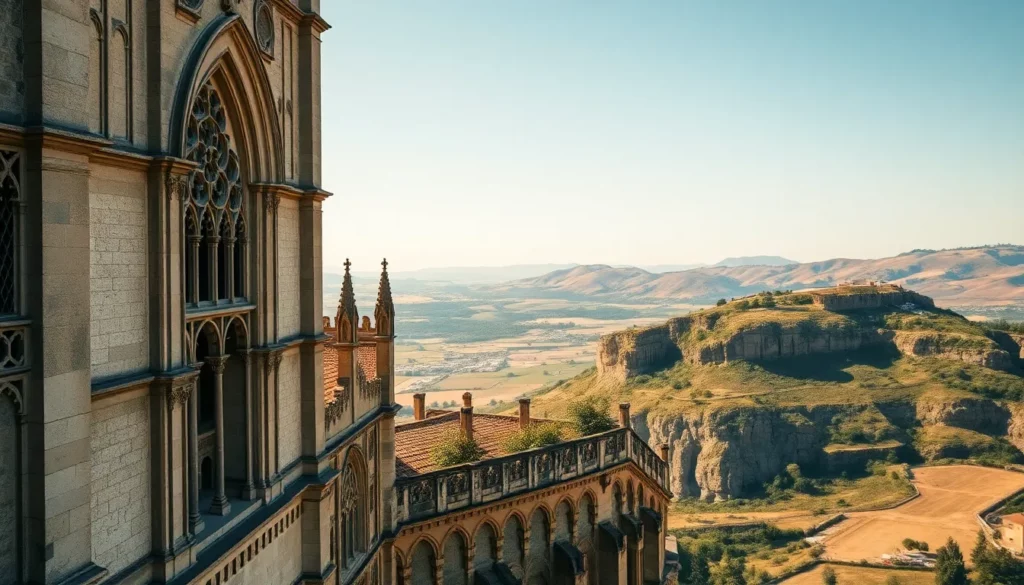
Perched dramatically atop a massive tuff cliff in the heart of Umbria, Orvieto is one of Italy’s most striking hill towns. Known for its magnificent cathedral, extensive underground caves, and rich Etruscan history, it serves as an ideal base for exploring central Italy. This guide provides practical planning advice to help you navigate logistics, select the right season, and experience the best of this historic destination without relying on outdated or commercialized information.
Getting There
The nearest major international airport is Rome Fiumicino (FCO), located approximately 120 kilometers south of Orvieto. From Rome, the most efficient public transport route involves taking a train from Roma Termini station to Orvieto. Direct regional trains typically take around 1 hour and 15 minutes, while high-speed trains may require a change or stop at Orvieto Funicolare station. Upon arrival at Orvieto Funicolare station at the base of the cliff, visitors must ascend to the historic center. The most common method is the funicular railway, which connects the lower station directly to the upper town. Bus services also operate between the lower station and the center, though schedules vary by season. Travelers driving from Rome or Florence should note that access to the historic center is restricted to authorized vehicles; most visitors must park in designated lots at the base of the cliff or in peripheral garages and use the funicular or escalators to reach the center. Always verify current train schedules and funicular operating hours with official rail and transit operators before departure, as services may change during holidays or strikes.
Getting Around
Orvieto’s historic center is compact and predominantly pedestrianized, making walking the primary mode of transport for visitors. The town is built on a plateau, so while the main streets are relatively flat, there are significant slopes leading to certain viewpoints and the edges of the cliff. Comfortable walking shoes are essential due to cobblestone surfaces. The funicular and public escalators are critical for moving between the lower town (Orvieto Scalo) and the upper historic center, especially for those with luggage or mobility concerns. Local buses connect the center with outer neighborhoods and parking areas. Taxis are available but should be booked in advance or found at designated ranks. Renting a car is generally unnecessary for staying within Orvieto itself and can be a disadvantage due to limited traffic zones (ZTL) and scarce parking. However, a vehicle is highly recommended if you plan to explore the surrounding Umbrian countryside or visit multiple day-trip destinations independently. Accessibility can be challenging in medieval buildings, though major sites like the Cathedral have made efforts to accommodate visitors.
Best Time to Visit
The ideal time to visit Orvieto is during the shoulder seasons of spring (April to June) and autumn (September to October). During these months, daytime temperatures are mild, typically ranging from 15°C to 25°C, and the countryside is vibrant with greenery or harvest colors. Summer (July and August) brings intense heat and larger crowds, particularly during local festivals, which can strain accommodation availability and increase prices. Winter (November to March) is quiet and offers a more authentic atmosphere with fewer tourists, though some smaller shops or attractions may operate on reduced hours, and rain is more frequent. Travelers interested in specific cultural events should check the official tourism calendar, as dates for religious processions or food festivals can shift annually. For photography and comfortable walking, late spring provides the best balance of light and weather conditions.
Top Things to Do
Orvieto Cathedral (Duomo)
The Cathedral of Santa Maria Assunta is a masterpiece of Italian Gothic architecture, renowned for its intricate facade mosaics and Lorenzo Maitani’s bas-reliefs. It is the primary landmark for first-time visitors and art historians alike. Inside, the San Brizio Chapel features frescoes by Fra Angelico and Luca Signorelli. Allow at least one hour for a visit, and consider purchasing a combined ticket that includes access to the Cathedral Museum. Dress codes are strictly enforced, so ensure shoulders and knees are covered.
Orvieto Underground
Beneath the city lies a network of caves and tunnels carved into the tuff rock, used historically for storage, shelters, and workshops. Guided tours through Orvieto Underground provide insight into Etruscan and medieval engineering. Tours typically last about an hour and descend deep below the streets. This experience suits those interested in archaeology and geology, though it involves stairs and confined spaces.
St. Patrick’s Well (Pozzo di San Patrizio)
This 16th-century engineering marvel was commissioned by Pope Clement VII. It features a double-helix staircase that allows mules to descend and ascend without crossing paths. Visitors can walk down to the water level and view the structure from multiple bridges. It is a unique photographic opportunity and offers a cool respite during hot days. The site is accessible via a separate ticket or combination pass.
Rocca Albornoz
Located at the highest point of the town, this fortress offers panoramic views over the Umbrian valley. The grounds often host cultural events and provide a spacious area for a leisurely walk. It is particularly rewarding at sunset. The nearby National Archaeological Museum is housed within the fortress complex, showcasing Etruscan artifacts found in the local necropolises.
Civic Museum and Tower
Housed in the medieval Town Hall (Palazzo Comunale), this museum contains local art and historical documents. Climbing the adjacent tower provides one of the best vantage points in the city. This attraction is ideal for visitors who want to understand the civic history of Orvieto beyond its religious significance.
Etruscan Necropolis
Surrounding the city are ancient burial sites dating back to the Etruscan civilization. The Crocifisso del Tufo necropolis is accessible and features street-like arrangements of tombs. It is a quieter alternative to the main town attractions and appeals to history enthusiasts willing to walk a short distance from the center.
Ceramics and Local Shopping
Orvieto is famous for its traditional ceramics, often featuring medieval-inspired designs. Wandering the side streets off the main Corso allows visitors to find artisan workshops. This activity suits travelers looking for authentic souvenirs rather than mass-produced items. Bargaining is not customary in fixed-price shops, but engaging with artisans about their craft is encouraged.
Where to Eat
Umbrian cuisine is robust and earthy, characterized by the use of truffles, wild boar, pork, and legumes. In Orvieto, travelers should seek out local specialties such as piccione (pigeon), cinghiale (wild boar) ragù, and dishes featuring black truffles harvested in the surrounding hills. The region is also famous for Orvieto Classico, a crisp white wine produced locally, which pairs well with seafood and light pasta dishes. Meal times generally follow Italian customs, with lunch served between 12:30 PM and 2:30 PM and dinner starting around 7:30 PM or later. Many kitchens close between lunch and dinner service. For a casual experience, look for tavole calde or bakeries offering focaccia and filled sandwiches. Avoid restaurants immediately adjacent to the Cathedral square if seeking better value, as prices often reflect the prime location rather than superior quality. Markets may operate on specific mornings, offering fresh produce and local cheeses.
Where to Stay
Accommodation choices generally fall into two categories: the Historic Center (Centro Storico) and the Lower Town (Orvieto Scalo). Staying in the Historic Center places you within walking distance of major sights, restaurants, and evening ambiance. This area suits couples and visitors without a car who prioritize atmosphere and convenience. However, rooms may be smaller, and noise from church bells or street activity can occur. The Lower Town, near the train station, offers more modern hotels, easier parking, and often lower rates. This area is better for families with heavy luggage, travelers with mobility issues, or those using Orvieto primarily as a rail hub for day trips. Visitors with cars should verify parking arrangements with their lodging, as driving into the center is restricted. Agriturismos (farm stays) in the surrounding countryside offer a peaceful alternative but require a vehicle for access.
Suggested Itinerary
2-Day Highlights Itinerary
Day 1: Arrive and check in. Spend the morning exploring the Cathedral and its museum. Have lunch in the historic center. In the afternoon, tour the Orvieto Underground. Enjoy dinner at a traditional trattoria and evening passeggiata along the main Corso.
Day 2: Visit St. Patrick’s Well early to avoid lines. Walk to the Rocca Albornoz for views and the Archaeological Museum. Spend the afternoon shopping for ceramics. Depart in the late afternoon or evening.
4-Day Relaxed Itinerary
Day 1: Arrival and orientation walk. Visit the Cathedral. Dinner near the Piazza del Duomo.
Day 2: Morning at the Civic Museum and Tower. Afternoon exploring the Underground caves. Evening wine tasting featuring Orvieto Classico.
Day 3: Day trip to a nearby destination such as Civita di Bagnoregio or Todi. Return for a relaxed dinner.
Day 4: Visit the Etruscan Necropolis. Leisurely lunch. Final shopping for local products before departure.
Local Etiquette & Practical Tips
Visitors should dress modestly when entering religious sites; shorts and sleeveless tops may result in denied entry. Greetings are important; a polite buongiorno (good morning) or buonasera (good evening) upon entering shops and restaurants is expected. Tipping is not mandatory as a service charge is often included, but leaving small change or rounding up the bill is appreciated for good service. Credit cards are widely accepted, but carrying some cash is advisable for small purchases or markets. English is commonly spoken in tourist areas, though learning basic Italian phrases enhances interactions. Be aware of ZTL (Limited Traffic Zones) signs if driving; fines are automated and strict. Pickpocketing is rare but standard precautions apply in crowded areas. The terrain is uneven, so those with mobility issues should plan routes carefully and utilize public elevators where available.
Day Trips from Orvieto
Orvieto’s central location makes it an excellent base for exploring Umbria and southern Tuscany.
Civita di Bagnoregio: Known as the “Dying City,” this hill town is accessible via a footbridge. It is about 30 minutes by car or bus. Best as a half-day trip.
Todi: A picturesque medieval town with a grand piazza. Approximately 40 minutes by car. Suitable for a half-day or full-day visit.
Assisi: Home to the Basilica of Saint Francis. Reachable by train or car in about 1 hour. Requires a full day to appreciate the religious sites.
Rome: Direct high-speed trains connect Orvieto to Rome in under an hour. Feasible for a long day trip, though an overnight stay is recommended to reduce rush.
Perugia: The regional capital offers museums and urban energy. About 45 minutes by car or train. Good for a full-day excursion.
Lake Bolsena: A volcanic lake nearby offering swimming and lakeside dining. Approximately 30 minutes by car. Ideal for a summer half-day relaxation trip.
FAQ
Is Orvieto worth visiting?
Yes, it offers a unique combination of Gothic art, Etruscan history, and dramatic geography, making it ideal for culture and history enthusiasts.
How many days do you need in Orvieto?
Two days are sufficient for the main sights, but four days allow for a relaxed pace and meaningful day trips to nearby towns.
Is Orvieto safe, expensive, or walkable?
Orvieto is very safe and highly walkable within the center, though costs can be higher near the Cathedral; overall it is mid-range for Italy.
Leave a Reply